



SEO can feel like one more thing you’re supposed to know as a copywriter. You already have to understand your client’s brand, write persuasive copy, research their audience, think about conversion rates, and somehow make everything sound like an actual human wrote it.
Now you’re supposed to know keywords, metadata, heading structure, internal linking, and everything else that comes with SEO?
Hate to break it to ya, but yeah, you kinda do. Your clients expect a beautiful design, conversational copy that sounds like them, and a website that drives new traffic.
I actually started my business as a copywriter and realized I was missing the SEO piece. I took SEO on Tap from Duo Collective, and fell in love with SEO. Now that’s all I do, but I have a copywriting background that helps me naturally optimize copy for SEO.
You don’t have to become an SEO expert, but there are a few SEO offers that make a lot of sense to add to your copywriting services. Not only can they make the copy you’re already writing more effective, but they can also make your copywriting packages more valuable to clients.
Here are some SEO offers I recommend adding to your copywriting services.
1. Keyword Research & Strategy
Keyword research needs to happen before writing website copy. It’s so much easier to have that keyword in the back of your mind as you write rather than trying to squeeze it into finished copy.
When you start with keyword research, you’re putting the strategy first. You’re thinking about what the ideal client is actually searching for and what will help them find that page and convert.
You can also use your research to identify related topics, questions, and content opportunities your client could address through their website and blog.
If keyword research isn’t part of your process yet, it’s a great SEO skill to learn.
2. SEO Page Titles
SEO page titles (or SEO titles) are separate from your H1 headline. They are the titles that appear in search results.
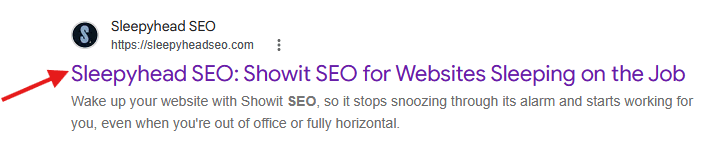
Your H1 can be more creative or brand-focused, because it’s for people already on the page. The goal here is to connect with them and help them feel like they’re in the right place.
Your SEO title should be more direct and keyword-focused because it’s for a cold audience. You’re trying to entice them to choose your client’s page over every other search result.
If you’re already researching keywords for your client’s website, writing the page titles is a natural next step. It also gives you another opportunity to show clients that you’re thinking strategically about their website.
3. Meta Descriptions
A meta description is the line underneath the SEO page title in search results. They aren’t a direct ranking factor, but they can help someone decide whether to click your client’s page, making them a natural fit for a copywriter’s skill set.

A good meta description should accurately summarize what someone will find on the page, incorporate the primary keyword naturally when it makes sense, and give the searcher a reason to click.
Think of it as a tiny piece of sales copy. You have limited space, so give people enough information to understand what they’ll get when they click.
4. SEO-Friendly Heading Structure
Heading structure is something you’re probably already doing naturally in your copy. H1, H2, and H3 tags help search engines and readers understand the page’s content and hierarchy.
Each page should have one clear H1 that communicates the main topic. H2s and H3s break up the main content, making it easy for the reader to skim while naturally including relevant keywords when it makes sense.
This is also where SEO and design can sometimes get a little mixed up. A heading’s visual appearance doesn’t determine whether it’s an H1, H2, or H3. A web designer can make an H3 look bigger than an H2 if they want, but the HTML heading structure should still reflect the actual organization of the content.
Here’s an example from my website:
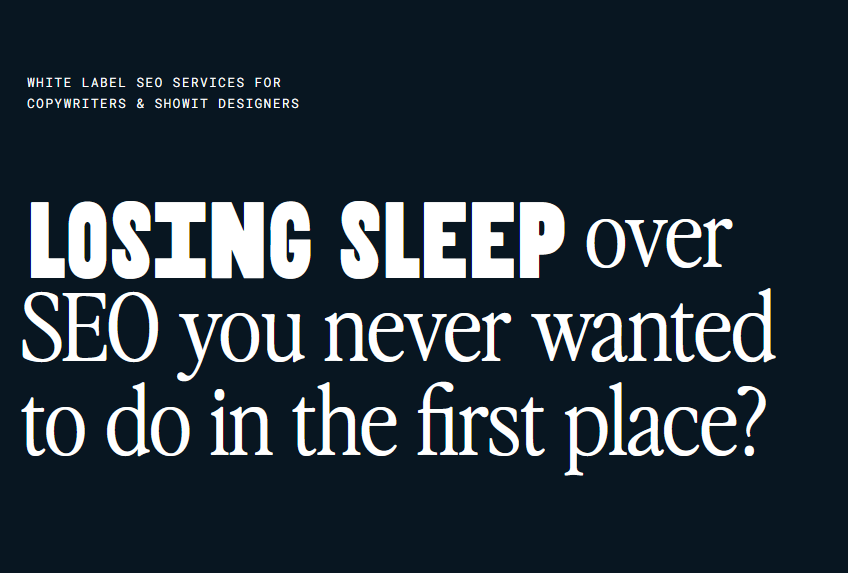
The H1 is the smaller text above the big headline. The H1 is more focused on SEO, while the H2 is connecting with my audience. This doesn’t have to be the case for every page. Sometimes you can write an H1 headline that does both.
As a copywriter, understanding that distinction can help you hand off cleaner, more SEO-friendly copy to your client’s designer or developer.
5. Optimizing URL Slugs
Optimizing URL slugs is another small SEO offer that can make your copywriting package feel more complete. The slug is the part of a URL that comes after the domain name, and ideally, it should give both search engines and people a clear idea of what the page is about.
Keep your slugs short, descriptive, and relevant to the page’s primary topic. If you’re writing a page about wedding photography packages, for example, /wedding-photography-packages/ is much more useful than something like /page-7/ or /services-2026/.
You don’t always need to include a keyword in the URL. One clear, relevant phrase is usually better.
This is especially worth thinking about when you’re helping with a website redesign. If the existing URL is unnecessarily long, confusing, or unrelated to the page, you can recommend a cleaner version as part of your SEO deliverables.
Remember that changing an existing URL can have SEO consequences, so set up redirects to avoid 404s or lost traffic.
6. SEO Content Recommendations
Don’t stop at the website copy! Identify opportunities for blog posts or other content based on the keyword research you’ve already done.
Give clients a list of strategic blog topics that can support their core service pages. If you offer blog writing services, this is the perfect segue. And if you don’t, the content strategy can serve as its own SEO offering.
7. Basic On-Page SEO Implementation
If you’re comfortable working in your client’s website platform, you can take your SEO deliverables one step further:
- Upload page titles and meta descriptions.
- Add image alt text.
- Check heading tags.
- Add internal links.
If you’re doing the work anyway, you might as well implement it for them! That way, you can make sure the final website reflects the SEO strategy you developed during the copywriting process.
This is a huge bonus for clients, too. If they’re outsourcing copywriting, they probably don’t want to be doing these things themselves.
Make SEO Part of Your Copywriting Advantage
You don’t need to include every SEO offer under the sun to call yourself an SEO copywriter. You can learn the SEO skills that naturally complement your copywriting without trying to become an expert in every single area.
You probably already know more than you think. Understanding search intent, writing helpful content, organizing a page clearly, and communicating with an audience are all skills that translate really well into SEO.
And if you’d rather focus on the copy while someone else handles the SEO strategy, there’s absolutely nothing wrong with outsourcing that piece of the process.
That’s actually one of the reasons I offer white-label SEO services for copywriters. You can give your clients a more comprehensive service without spending hours learning every corner of SEO or adding another full-time job to your business.
Interested in adding SEO offers to your existing copywriting packages? Let’s chat!
+ view the comments